15 years experience
Customer from 120 + countrys.

Customer from 120 + countrys.
All products with CE, RoHS, FDA,MDR certificates.
Hearing aids customization model or packing design
1st listed hearing aid manufacturer in China
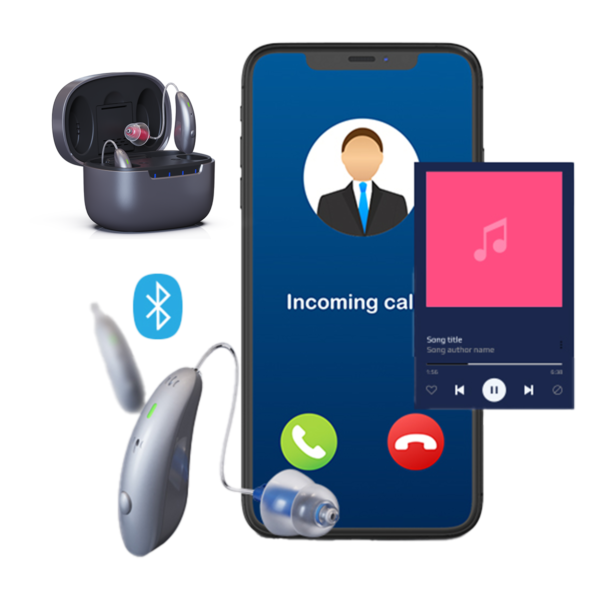
Close to 30 million adults in the U.S. experience hearing loss, yet only about one-fifth pursue treatment. Using hearing aids can reduce risks of cognitive decline, depression, and social isolation. To expand access, the FDA created a new category of OTC hearing aid products for adults with mild to moderate loss, effective October 17, 2022. This change allows direct purchase of hearing aids OTC, accelerating adoption of advanced solutions such as rechargeable OTC hearing aids, OTC hearing aids with Bluetooth– the best hearing aids OTC that combine convenience and affordability.
The “2019 New Audiovisual Hearing Industry Summit,” sponsored by the Beijing Science and Technology Association and co-organized by the Hearing Services Industry Committee, recently concluded in Suzhou. The event attracted over 200 participants, including hearing aid fitters, store operators, and managers from domestic and foreign manufacturers and distributors. Over three days, the conference featured a member meeting, a dinner, a press conference, 4 thematic forums, a case study, 2 roundtable forums, and 2 corporate visits. A total of 20 speakers and 10 roundtable guests delivered insightful presentations.
On the morning of November 16, during the “Service Concept” forum at the summit, Adnan Shennib delivered a keynote titled “How does the future of OTC hearing aid go?” His presentation covered U.S. trends and policies for OTC hearing aid and DTC models, major barriers to hearing aid sales, an interpretation of the 2017 OTC Act, the current state of the U.S. OTC hearing aid and DTC market, strategies for audiologists/fitters to adapt, and the evolution toward next-generation devices, including concepts like otc hearing aids with Bluetooth and rechargeable otc hearing aids.
Mr. Shennib first clarified the concepts of OTC (Over-The-Counter) and DTC (Direct-To-Consumer). DTC hearing aids require users to sign a medical waiver before purchasing directly online or via pharmacies. In contrast, OTC hearing aid products can be bought through these channels without a waiver.
US Hearing Aid Policy
Hearing aids are FDA-regulated medical devices. Traditionally, most are sold by audiologists. Purchasing hearing aids online or in pharmacies requires a medical waiver, a model that has historically limited direct-channel growth.
The 2017 OTC Hearing Aid Act
The OTC Act, signed into law in 2017, mandates that medical-grade hearing aid will be sold directly to consumers. The FDA is tasked with creating a new product category and establishing safety and efficacy standards for OTC hearing aid. The drivers for this bill were to lower consumer costs, increase purchasing channels, and stimulate innovation in products and services. The FDA was required to finalize regulations by 2020. While the traditional hearing aid industry responded cautiously, the bill passed as it addressed significant access barriers.
The Biggest Obstacle to Hearing Aid Sales
Mr. Shennib identified high cost as a primary barrier, with the average U.S. hearing aid retailing at $2,400 and penetration rates as low as 14-20%. This high cost drives many consumers toward more affordable Personal Sound Amplification Products (PSAPs), known as sound amplifiers in China. This market dynamic underscores the potential for high-quality, accessible best otc hearing aids with Bluetooth and rechargeable otc hearing aids to capture market share. The future may also see a wider variety of digital bte hearing aids offered through these new channels.
The market for OTC hearing aid products, including variants like otc hearing aids with Bluetooth and rechargeable otc hearing aids, is poised for significant growth. Although the formal “OTC hearing aid” category has not yet been fully launched in the U.S. market, retailers are actively preparing for its future. Online retailers are working to upgrade their offerings, providing more comprehensive PSAPs; some products already support popular emerging technologies like remote fitting. Concurrently, major U.S. retailers, including pharmacy chains and wholesale clubs, have begun selling PSAPs and are expected to introduce hearing aids otc in the future.
The channel and online retail sector for these devices reports impressive annual growth of 46%. The potential of this emerging market remains substantial, with current overall growth estimates for hearing aids in this space ranging from 20% to 30%. This trend indicates a growing consumer shift towards accessible hearing solutions, driving demand for what many consider the best hearing aids otc options available.
Leading companies such as CVS, Beurer, and NANO hearing aids are positioned to deliver advanced technologies and products for the OTC hearing aid and DTC markets. Furthermore, major consumer electronics brands have announced their entry into this space, signaling significant growth potential for innovative products like otc hearing aids with Bluetooth and rechargeable otc hearing aids.
The emergence of the OTC hearing aid market is poised to fundamentally transform the industry and consumer access. The most immediate impact will be increased affordability, allowing consumers to access lower-cost hearing aids. Additionally, a wave of high-quality hearing aid products will enter emerging retail channels, making what many seek as the best hearing aids otc more widely available.
U.S. President Trump’s signing of the FDA Reauthorization Act of 2017, which established the OTC hearing aid category, was a pivotal moment. Once implemented, this law enables adults with mild to moderate hearing loss to purchase hearing aids otc directly. Previously, Americans with hearing impairment were required to obtain hearing aids exclusively through professional hearing care specialists. This regulatory shift fundamentally changes the perception of hearing aids, transforming them from specialized medical devices into accessible, user-friendly solutions. This increased accessibility will allow a broader segment of the population to discover how modern hearing aids can help overcome life’s challenges and significantly improve quality of life.
The industry response has been largely favorable. The broader sales channels for OTC hearing aid products are expected to raise public awareness about hearing loss. This increased visibility will indirectly highlight the value of professional hearing care and hearing aid fitters. Consequently, hearing professionals with strong clinical backgrounds are anticipated to play a leading role in shaping the development and refinement of new products within the OTC hearing aid channel, including future iterations of digital bte hearing aids adapted for this market.
The expansion of the OTC hearing aid market presents a significant opportunity for audiologists and hearing aid fitters. They can leverage their professional expertise to engage in the development and production of OTC hearing aid products, participate in pre-market clinical trials, or offer specialized consulting services for OTC hearing aid solutions.

Currently, many traditional hearing aid brands are not fully prepared for the OTC hearing aid shift, as existing products are often not ideally suited for this new channel. While the industry has seen numerous technological innovations over the past five years, these have not yet catalyzed widespread market growth. A key barrier is not price, channels, or technology alone, but rather deep-seated public stereotypes that associate hearing aids primarily with aging and disability. This perception severely limits market expansion. To overcome this, brands must focus on user-centric design, introducing novel form factors, differentiated functionalities, and value-added features that go beyond basic sound amplification.
Mr. Adnan used wearable technology as an analogy, emphasizing that creating products users desire is more impactful than creating products they need. For hearing aid brands, a critical challenge is rebranding hearing aids to be perceived as “high-tech” and “health-conscious” devices, moving beyond outdated stereotypes.
Current core hearing aid technologies are insufficient to fully support the development of innovative OTC hearing aid products. Existing solutions often address the “necessity of hearing” but neglect the overall “hearing experience.” Integrating additional functionalities, such as health monitoring, into otc bluetooth hearing aids can be an effective strategy to shift consumer perceptions and break down these stereotypes.
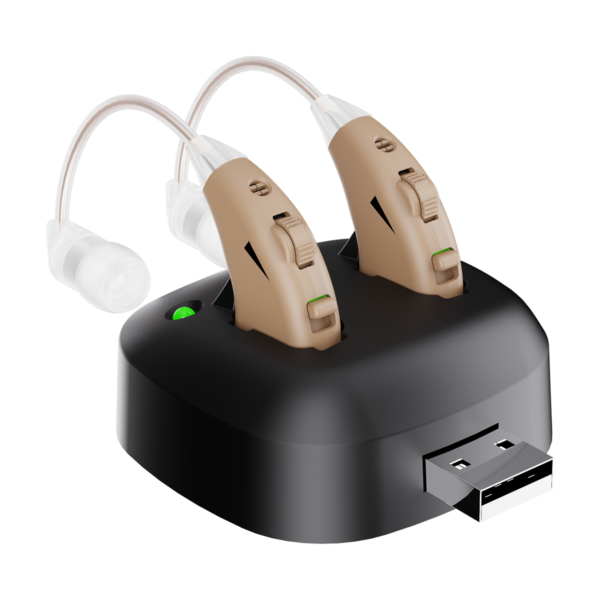
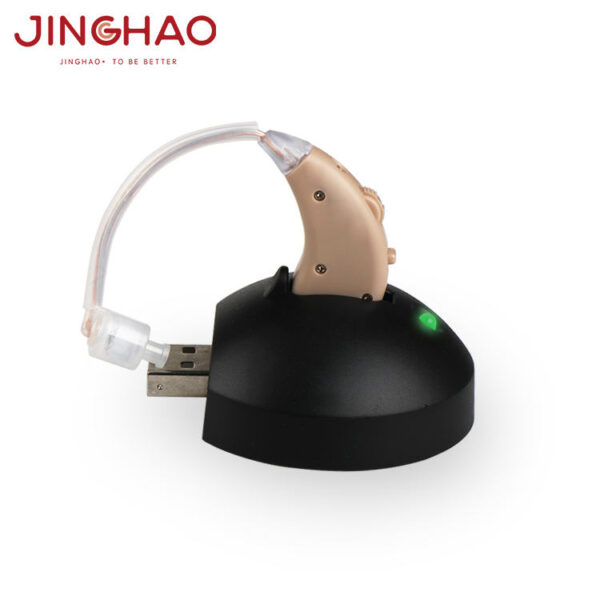
Huizhou Jinghao Medical Technology Co., Ltd. is a prominent listed manufacturer in China, specializing in hearing aids and hearing amplifiers, known for providing high-quality products at competitive prices. The company holds certifications including FDA, which is crucial for the OTC hearing aid market, alongside BSCI, ISO13485, and CE. Jinghao Medical’s strong R&D department enables comprehensive hearing aid ODM and OEM services. The company has established partnerships with major international clients, supplying best otc hearing aids and other products to retailers such as CVS HEALTH and BEURER, positioning it as a key partner for developing otc hearing aids with Bluetooth and rechargeable otc hearing aids.
In summary, the OTC hearing aid and DTC market possesses immense potential. However, the hearing aid manufacturing industry has yet to develop a product that truly resonates with this new consumer channel. Overcoming deep-seated consumer stereotypes is a critical prerequisite for achieving high market growth. Ultimately, a breakthrough in core technology is essential to create the innovative products—such as advanced otc hearing aids with Bluetooth and versatile rechargeable otc hearing aids—that will unlock the full potential of the OTC hearing aid market and meet the demand for what users will recognize as the best hearing aids otc available.
A: An OTC hearing aid is designed for adults with mild to moderate hearing loss and can be purchased without a prescription.
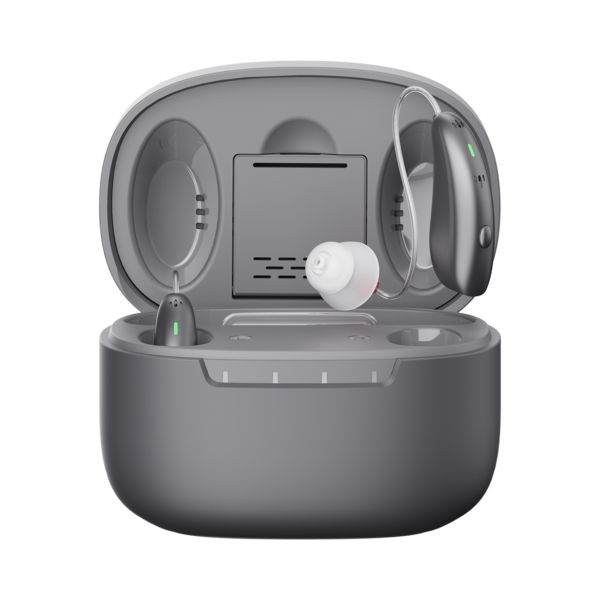
A: Our best hearing aids OTC feature digital noise-reduction chips, rechargeable batteries, and ergonomic behind-the-ear options.
A: Our best hearing aids OTC feature digital noise-reduction chips, rechargeable batteries, and ergonomic behind-the-ear options.
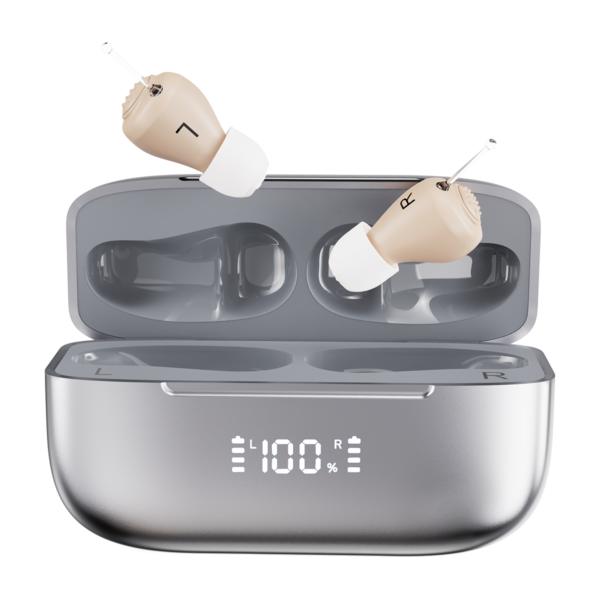
A: Yes, we offer rechargeable OTC hearing aids, supporting long battery life and USB charging.
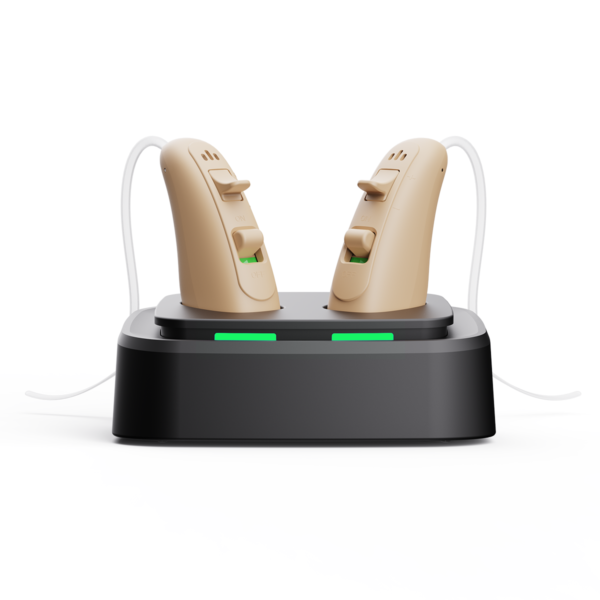
A: Yes, several OTC models are digital BTE hearing aids, offering stable amplification and user-friendly controls.


![Download our 2025 newest hearing aids product catalogue [PDF].](https://www.jhhearingaids.com/wp-content/uploads/2020/01/JINGHAO-Product-description-11.jpg "Download our 2025 newest hearing aids product catalogue [PDF].")